


Most of Scotland’s colleges are “not financially sustainable” and some are at “imminent risk” of becoming insolvent, a report has warned.
The Scottish Funding Council (SFC) – which funds colleges and universities in Scotland – said the overall deficit for colleges is forecast to grow from £8.3 million in 2026-27 to £31.9 million by 2028-29.
Despite an increase in funding for colleges in 2026-27, the SFC said 11 institutions are forecasting operating deficits for this year.
A report looking at the financial situation facing the country’s college sector warned: “Insolvency remains an imminent risk, with four colleges forecasting negative cash balances at the end of 2026-27 and 13 colleges (54%) by the end of 2028-29.”
For 2027-28 and 2028-29, 19 colleges are forecasting operating deficits, the SFC said, adding the figures “demonstrate that most colleges are not financially sustainable despite the increased 2026-27 funding”.
We need to see fundamental reform now if the sector is going to survive
Meanwhile, the “large savings” colleges could need to make would “significantly affect curriculum delivery, student numbers, quality of teaching, staff numbers and morale, local communities and regional economic growth”, it said.
The report added: “Several colleges also indicated that savings of this scale would be unachievable, highlighting risks to their going concern status.
“The financial position of colleges continues to be extremely challenging, and some colleges are forecasting significant deficits for the next three years.”
Audrey Cumberford, the principal of Edinburgh College said “the situation facing the college sector is dire”.
She said: “More and more colleges are finding themselves struggling to balance the books and meet their debt payments.”
Adding the role the sector plays to “inspire and educate hundreds of thousands of students” is “not being reflected in the current funding settlement”, Ms Cumberford was clear that change is needed.
She said: “We need to see fundamental reform now if the sector is going to survive and this needs to go hand in hand with a financial model that provides the necessary platform for change.”
The latest @ScotFundCouncil report on the financial sustainability of Scotland's colleges paints an increasingly concerning picture, with many colleges continuing to face significant financial challenges: https://t.co/rgTGi9UTYF
— Colleges Scotland (@CollegesScot) October 1, 2026
A separate report from the SFC looking at the financial situation of Scotland’s universities said they “continue to face significant financial challenges”.
A forecast operating surplus of £67.9 million for 2025-26 is expected to fall to a surplus of £36.8 million this year – despite an increase in cash from the SFC.
A total of 10 universities are forecasting operating deficits in 2026-27, with the SFC warning this could increase in 2027-28 “if planned international student tuition fees are not achieved”.
With the report covering the finances of Scotland’s 15 universities and three specialist institutions – the Glasgow School of Art, the Royal Conservatoire of Scotland and Scotland’s Rural College – it added there are only six universities which are “not projecting any adjusted operating deficits throughout the three-year forecast period”.
Paul Devoy, interim chief executive of the SFC, said: “Scotland’s colleges and universities are operating in one of the most challenging financial environments the sector has faced for many years.
“These reports shine a clear light on the scale of that pressure, drawing on detailed analysis of accounts and forecasts. They are a snapshot in time, but an important one.”
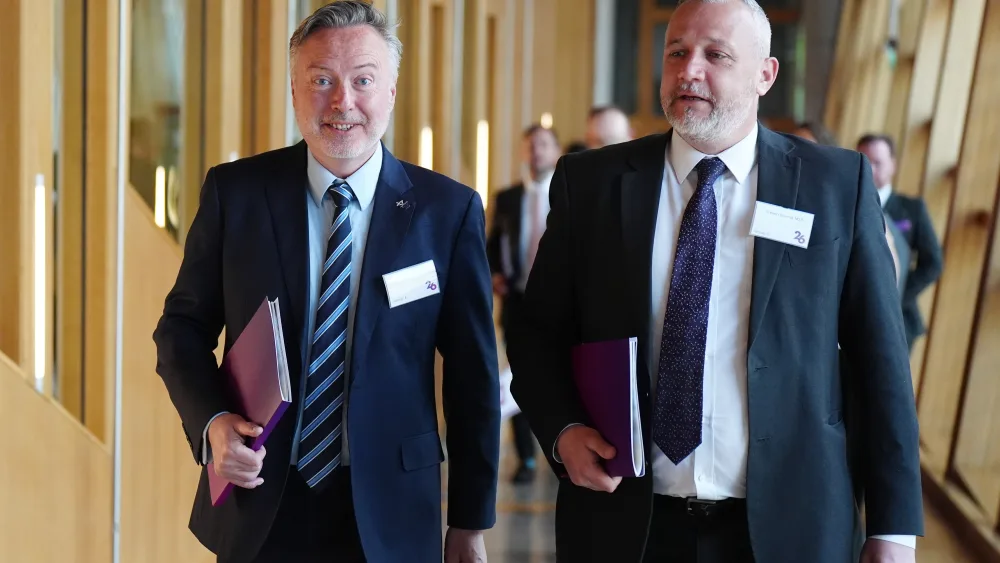
Gavin Donoghue, chief executive of Colleges Scotland, said the report “underlines the fact that many colleges are operating in an extremely challenging fiscal environment”, adding there is a “clear need for sustainable investment to safeguard the education, training and support” the sector provides.
He added: “Colleges have done everything possible to balance their budgets, but they cannot continue to absorb current rising costs, or adapt for the future, without additional support.”
Tertiary education minister Alyn Smith said: “Scotland’s colleges and world-class universities are anchor institutions, driving our economy and communities through teaching, research and skills.
“We recognise the challenges these reports highlight, many of them outside our control and not unique to institutions in Scotland, such as visa restrictions, Brexit, inflation and national insurance rises and others we are already working closely with universities and colleges to address.”
Mr Smyth said the Government is working with colleges through the Colleges Sector of the Future programme to “develop a more sustainable and resilient model, backed by a 10% funding uplift this year”.
He also said the new Future Framework the Government and Universities Scotland are working on “is an essential first step in reforming the higher education funding model while protecting free tuition for eligible Scottish students”.