

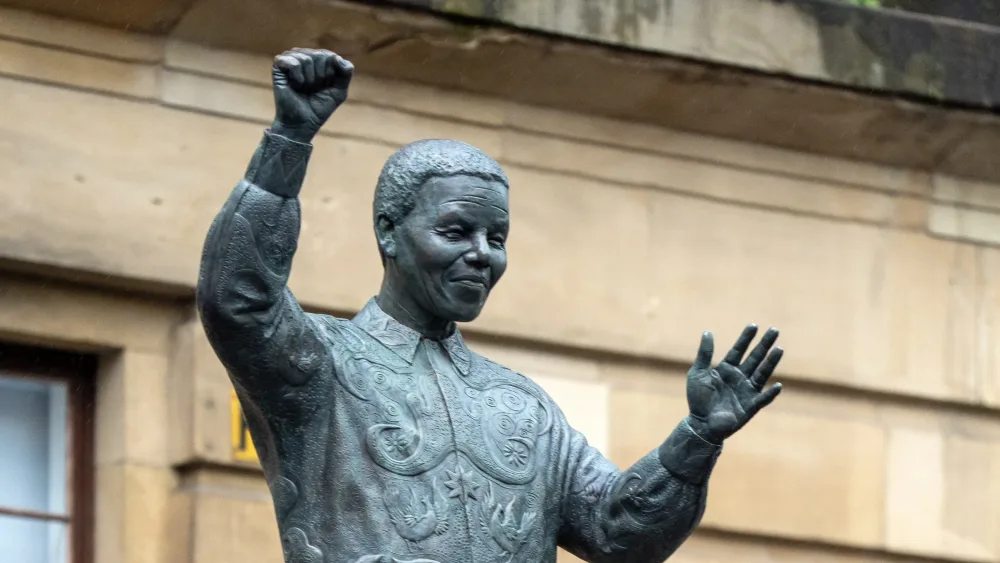
A statue of Nelson Mandela has been unveiled in Glasgow, 33 years to the day since he was granted freedom of the city in a packed George Square.
The bronze effigy was unveiled at a ceremony in Nelson Mandela Place on Friday afternoon, with hundreds of people braving the rain to witness the moment.
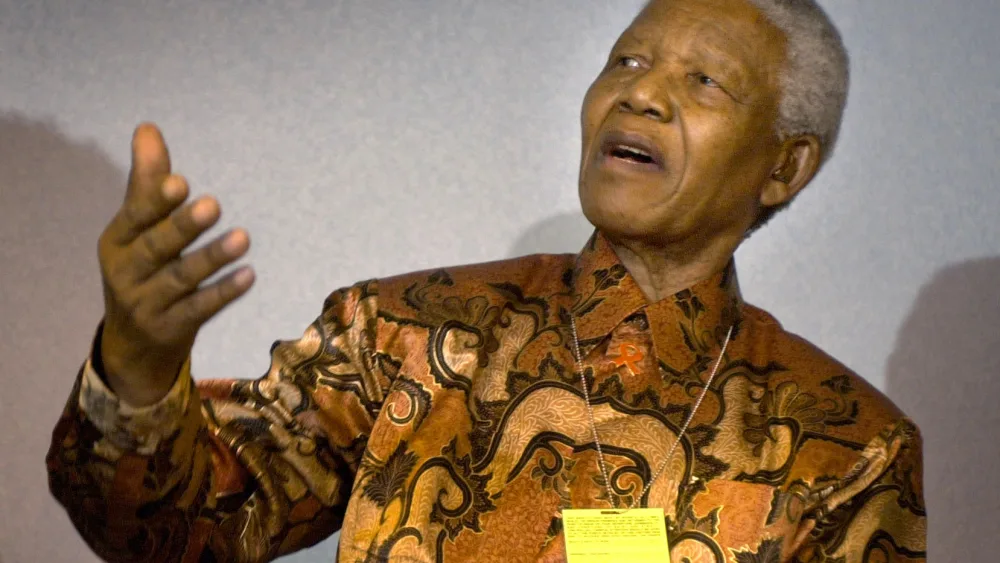
Mr Mandela became the first black president of South Africa in 1994 after decades of leading the resistance against apartheid in the country, including 27 years in prison. He died in 2013 at the age of 95.
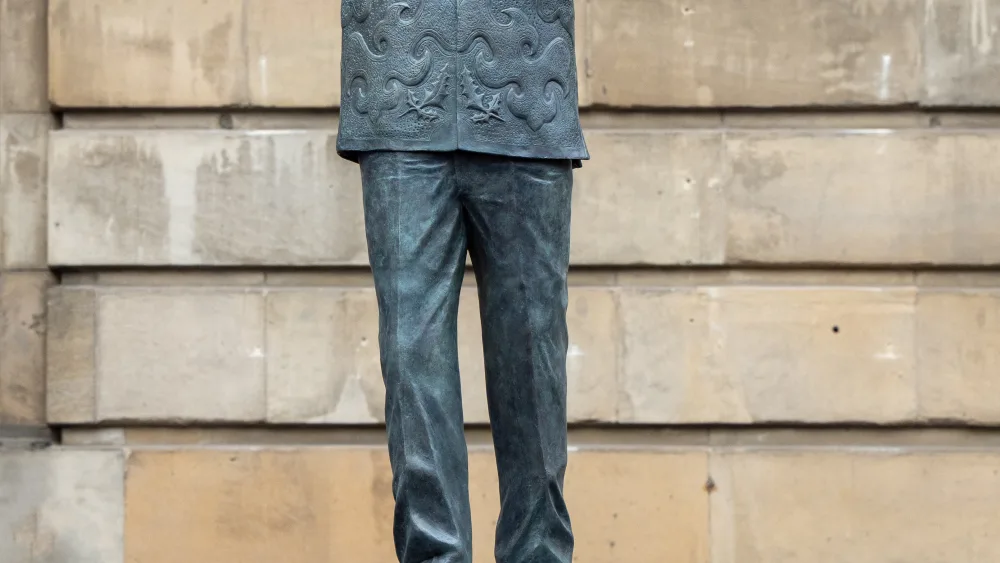
Designed by Scottish sculptor Alan B Herriot, the statue stands atop a plinth of South African granite and depicts Mr Mandela in a decorated shirt with arms raised and his unmistakable smile.
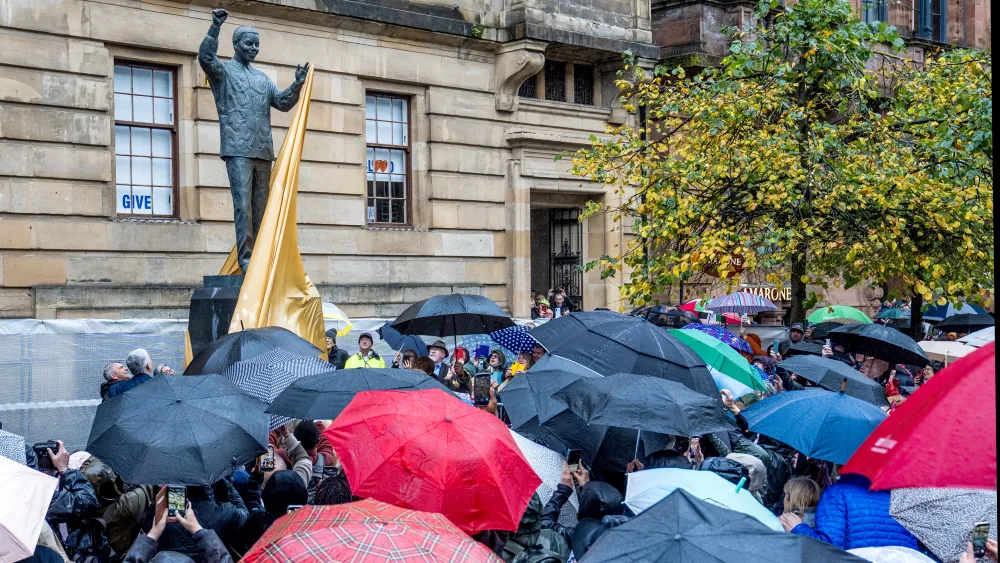
It is the first public monument of a named black person in Scotland.
The ceremony opened with a rousing performance by Glasgow women’s drumming band SheBoom, before speeches from Nelson Mandela Scottish Memorial Foundation chairman Brian Filling and Glasgow Lord Provost Jacqueline McLaren.
South Africa’s high commissioner to the UK, Kingsley Mamabolo, told the audience it was a “profound honour and deeply moving privilege” to be present in the heart of Glasgow for the unveiling.
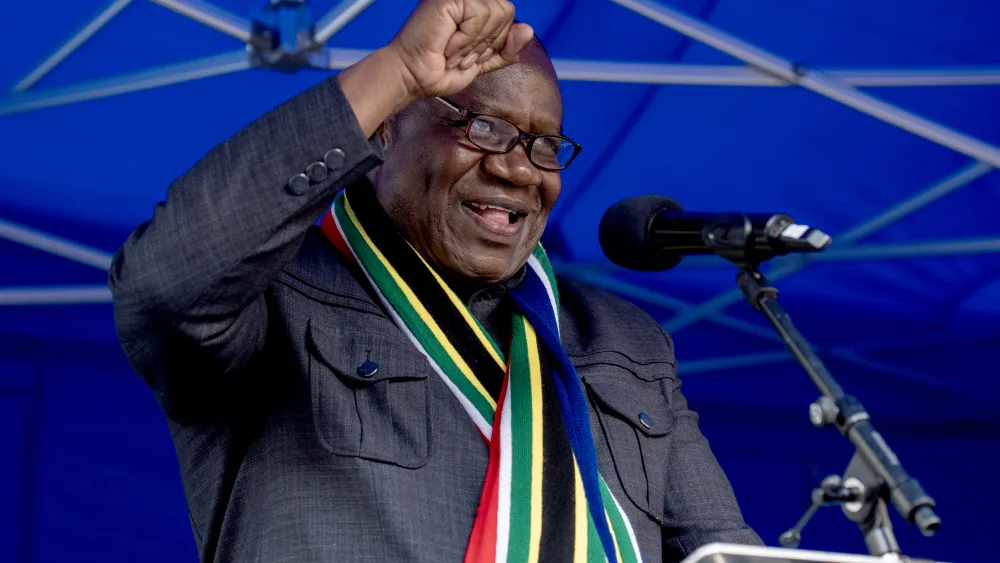
“For decades, Scotland stood as the very epitome of the British people’s solidarity and fierce struggle against the brutal apartheid system,” he said.
“Cast in bronze, this tribute stands as a bridge between Glasgow solidarity and the generational sacrifices that build our freedom.
“Standing on this very ground, we are reminded of the bold, creative, and defiant steps taken by this great city.”
He also recalled Mr Mandela’s visit to the city 33 years previously.
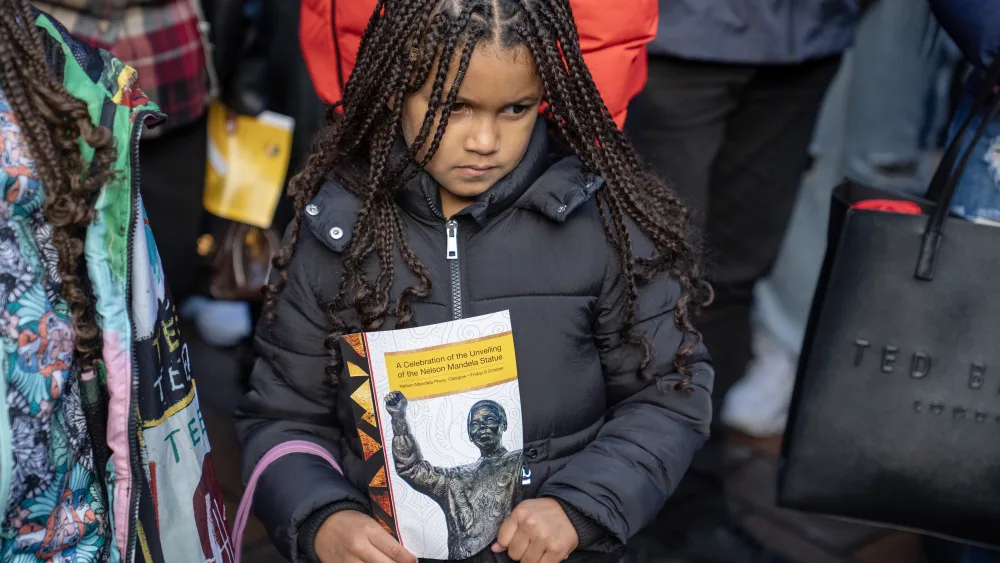
“Those who were here will never forget the joy, the dancing, and the rain that fell on George Square that day.
“Today, 33 years later, we return to Glasgow to put Mandela here permanently.”
South African singer Marah Louw, who sang and danced with Mr Mandela in 1993, performed Circle Of Life as the rain began falling.
Ms McLaren then led a countdown to the moment the sheet covering the statue was pulled away, which was greeted by joyous cheers from the crowd.
Louw rounded off proceedings with a heartfelt a cappella rendition of the national anthem of South Africa.
One of those witnessing the event was Kay Penman, who said it was “wonderful” to be present at the unveiling after campaigning against apartheid during 1980s and 90s.
“It was really meaningful to be part it,” the 63-year-old, who lives in Edinburgh, said.
“I think it meant a lot to people who were here, and I think it’s impressive that so many people came out.”
She was also in the crowd when Mr Mandela came to Glasgow in 1993, which she described as “pure joy.”
“I didn’t even remember it was pouring with rain. I was just so full of joy,” she recalled.
“I remember Marah Louw singing and I remember Nelson Mandela’s speech, and I remember him dancing along with her singing.
“It was just the most amazing thing.”
Sunita McKenna, 50, said she was “absolutely over the moon” to have witnessed the unveiling, having missed out on seeing Mr Mandela in 1993.
“It’s filled my heart with joy. I’m so happy to be here,” she said.
“The crowd was amazing. Glasgow made us proud, even if the weather didn’t.”
She was at the event with fellow PCS union rep Cheral Govind, 35, who said the statue will help remind future generations of Mr Mandela’s story, and his connection with the city.
“I’m always just super proud that Glasgow’s got this history of sort of being on the right side of history,” she said.
“It’s lovely to just come out and see this cemented forever and ever, for years to come, for people younger than me to come and learn about something cool that happened before they were born.”
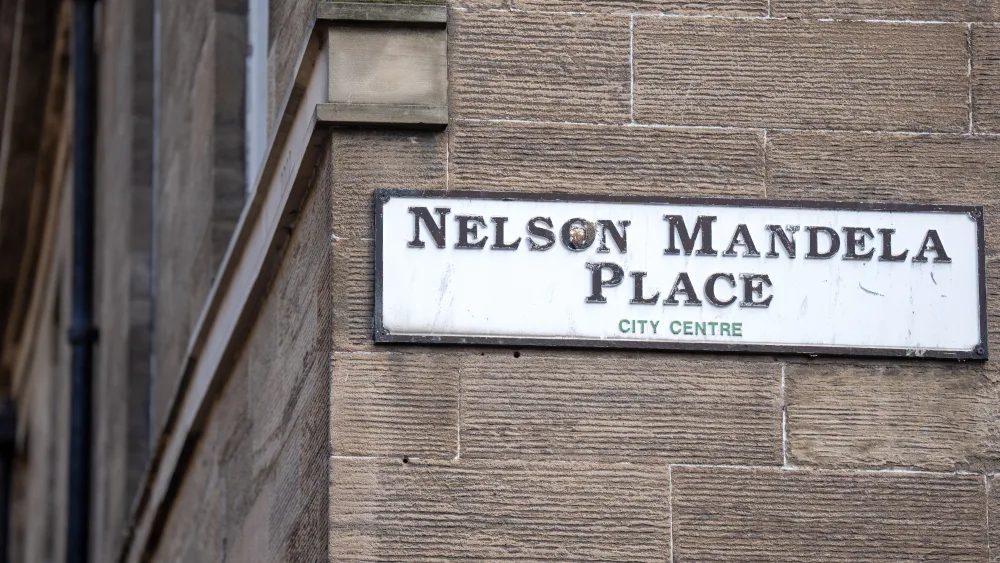
In 1986, while Mr Mandela was still in prison, Glasgow renamed St George’s Place – the location of the South African consulate – in his honour.
Mr Mandela was the only recipient of the fellowship of the Royal Faculty of Procurators of Glasgow, awarded in 1997, and his statue now stands outside its building.
The organisation’s chief executive John McKenzie said: “The statue unveiling is a very special occasion for the city – and for the royal faculty.
“It is a fitting tribute to a man of peace whose legacy today continues to inspire great acts of courage.
“Glasgow will always have a special bond with Mr Mandela and the South African people, and the statue will be a permanent reminder of his immense legacy.”