

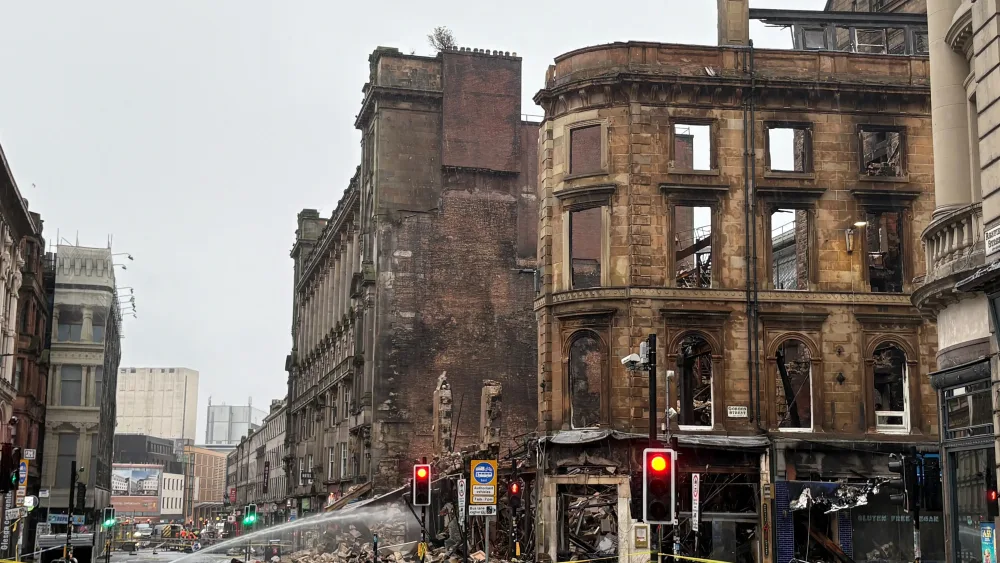
Visitor numbers in Glasgow were down by 11% last month after a massive blaze devastated part of the city and closed a major train station.
Figures from Glasgow Chamber of Commerce also showed sales in the city in March were down by 14.2% compared to the same month in 2025.
The decrease in both footfall and sales comes in the wake of the blaze at Union Corner in the city on March 8.
The blaze there closed Glasgow Central Station, which was not able to fully reopen to travellers until more than two weeks later on March 25.
A report showed while footfall in the city was up by 6.8% in January – with an increase of some 338,988 visitors – this then fell by 2.7% in February, and by 11% in March – with this drop “directly reflecting the impact of transport disruption” caused by the fire on Union Corner.
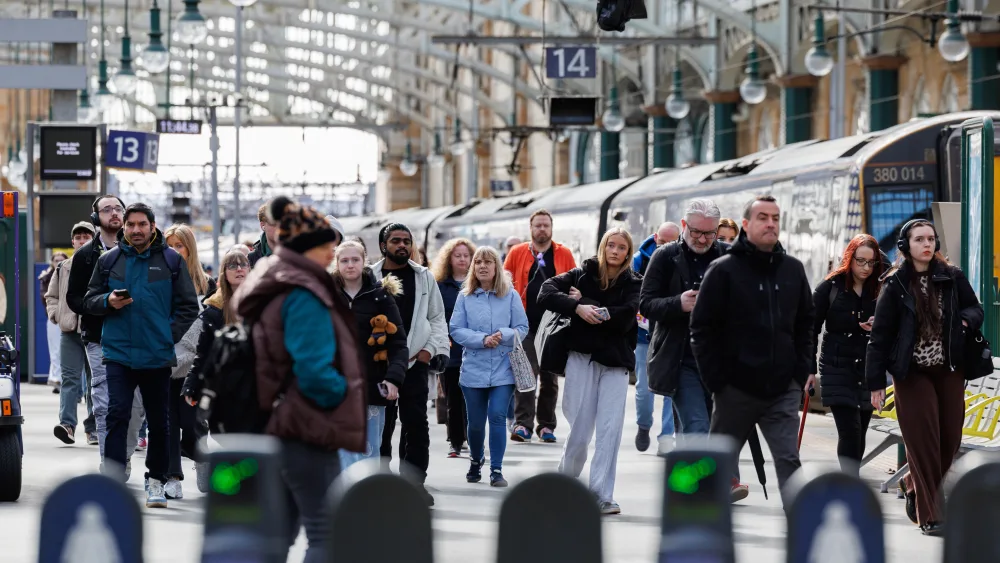
The Glasgow Pulse quarterly economic report went on to note that “spend across the city has remained on the decrease for the last two years”, adding this was “reflective across the nation as a whole”.
However, by Friday March 27, just two days after Glasgow Central Station was fully reopened, footfall in the city reached 214,000, up from 203,000 on the same day last year.
This “rapid rebound” in the wake of the fire was said to show “sustained public confidence and a strong willingness to return to the city centre”.
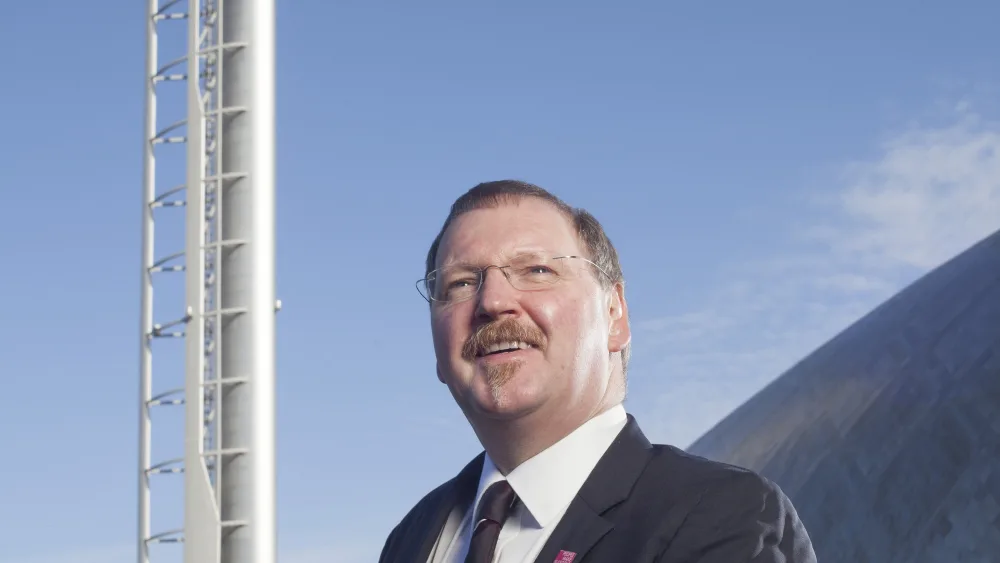
Stuart Patrick, chief executive at Glasgow Chamber of Commerce, said: “These figures are encouraging from a recovery perspective, but there is no doubt that the economic impact of the Union Street fire has been significant for a city already facing challenging conditions.”
Mr Patrick added that “to see footfall return to typical levels within days of Glasgow Central Station reopening is a positive sign”.
But he added: “The broader picture points to the need for continued focus on increasing footfall and supporting city centre businesses.”
Glasgow Chamber of Commerce believes transport connectivity is a “critical issue” in this – noting that rail passenger numbers in the city are still below pre-pandemic levels.
In the first quarter of 2019, it said that rail passenger numbers in Glasgow were approximately 13 million – but noted that for the same period in 2026 there were “closer to 10 million” – with this representing about 70% of the pre-Covid levels.
And the report noted that while rail passenger numbers have “steadily increased over the past three years” it said that “the pace of recovery continues to lag competitor cities”.
Mr Patrick said: “Cities such as Leeds, Liverpool, Manchester and Edinburgh have recovered more quickly, supported by sustained investment in urban transport infrastructure.
“If Glasgow is to remain competitive and continue attracting investment from major employers, progress on projects such as the Clyde Metro must be treated as a strategic priority in the year ahead.”
That project aims to deliver a fully integrated, mass transit, public transport system for the city – but would require multi-billion-pound long-term investment, which Strathclyde Passenger Transport warns is “likely to span decades”.
But Mr Patrick said: “If there is to be a lasting legacy from the Union Street fire, it should be as a catalyst for renewed efforts to bring more people into the city centre – driving investment, supporting businesses and creating jobs.”
Adding that 2026 is a “pivotal year for Glasgow” – with the city hosting major events including this summer’s Commonwealth Games – he said: “This is a critical moment to strengthen our collective efforts to promote Glasgow as an outstanding place to work, visit and live.”