

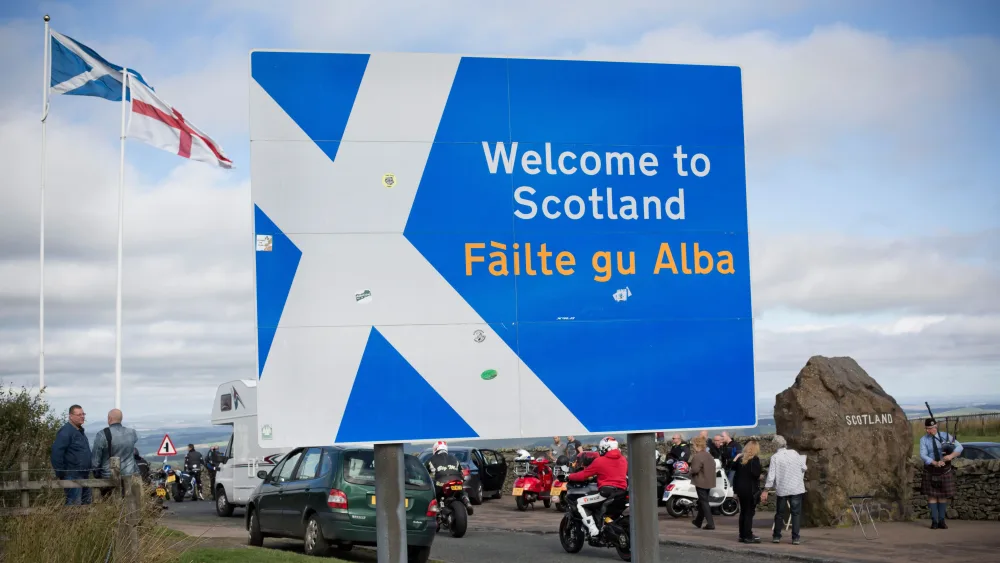
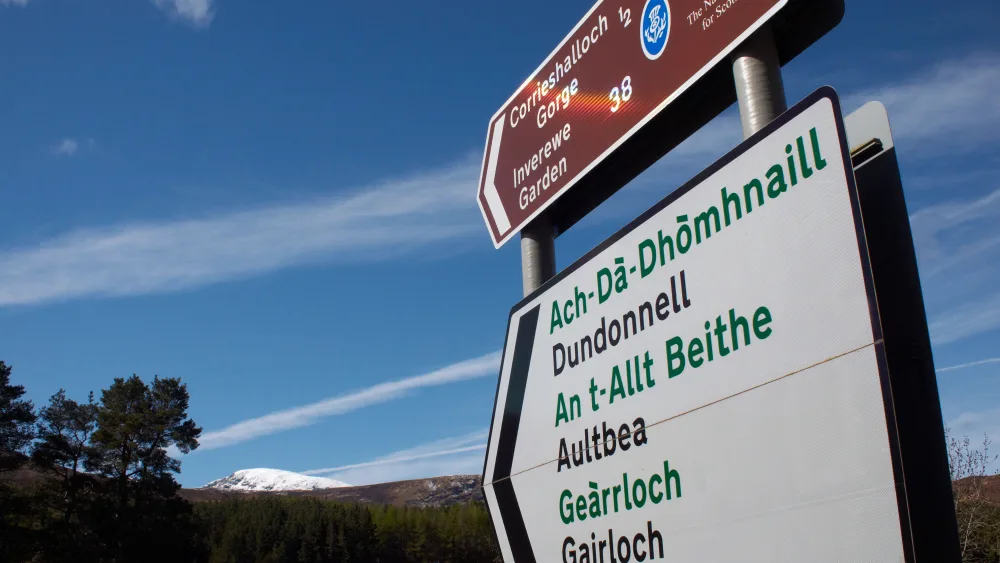
Reform UK has been accused of trying to criminalise the use of Gaelic and Scots election materials.
The SNP said Reform’s amendment to the UK Government’s Representation of the People Bill was “despicable” and “anti-Scottish”.
The amendment, by deputy leader Richard Tice, states election materials, including placards, posters or other literature, should be required to be in either English or Welsh.
Under the proposals, a person breaking the rules could be jailed for up to six months and be forced to pay a fine.
The amendment, which will almost certainly not pass, was backed by Reform MPs Lee Anderson, Sarah Pochin, Danny Kruger, Robert Jenrick, Andrew Rosindell, and Suella Braverman.
The SNP demanded that Reform withdraws the proposals.
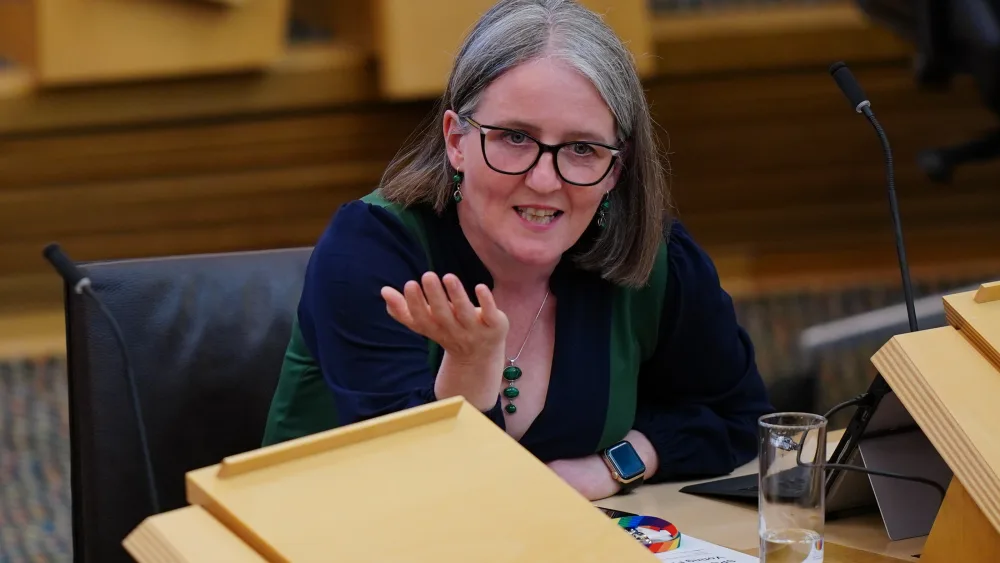
Maree Todd, an MSP for the Highlands and Islands, said: “This despicable anti-Scottish amendment is deeply telling – Reform wants to see any trace of our native languages removed from Scottish politics.
“Not content with plans to cut our MSPs and ‘review’ the powers of Holyrood, (Reform leader Nigel) Farage and his cronies want to threaten jail time upon anyone in Scotland who publishes political materials in Scots or Gaelic.
“We know Reform could not care less about Scotland, but this move is all too reminiscent of the brutal anti-Gaelic laws of the Highland Clearances.
“Reform must now do the right thing – apologise to the people of Scotland for attempting to criminalise election materials written in Scottish languages and immediately withdraw this outrageous amendment.”
The Scottish Greens have also warned the proposals, which they called “dangerously broad”, would criminalise British Sign Language.
Co-leader Gillian MacKay, who has hearing loss, said: “For a party that claims to defend freedom of speech, using censorship to control the languages people can use in political campaigns says everything about Reform UK’s real priorities.”
The Representation of the People Bill, if voted through, would allow 16 and 17-year-olds to vote at the next general election.
The legislation would also tighten rules around political donations, protect against foreign interference, move towards automatic voter registration and expand the forms of acceptable voter ID to include UK-issued bank cards.
Under the Scottish Languages Act, Gaelic and Scots are recognised as official languages in Scotland.
Around 130,000 Scots have some Gaelic skills, according to the 2022 Census, while nearly 2.5 million have some skills in Scots.
Reform UK Scotland said the SNP claims are “unsurprisingly misleading”.
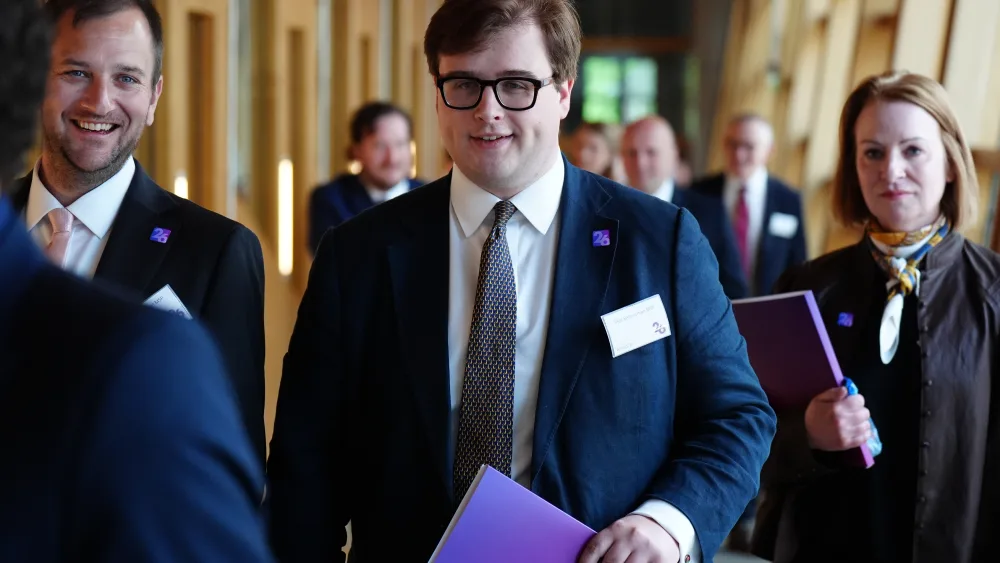
Max Bannerman, the party’s MSP for the Highlands and Islands, said: “As a Highlander who is a keen supporter of the Gaelic language and Scotland’s rich cultural heritage, I can guarantee that Reform UK is committed to protecting the linguistic heritage of Britain.
“This amendment was drafted for application in England and Wales, not Scotland and Northern Ireland.
“It was about preserving the integrity of elections and ensuring that they are fought in domestic languages, not Urdu or Bengali.
“This is not about diminishing Scotland’s identity or heritage.
“That’s why I’m exploring introducing a Bill to the Scottish Parliament to ensure that future Scottish elections are fought in Gaelic, Scots and English only.
“The SNP have failed to protect the integrity of our indigenous languages in favour of manufacturing outrage over non-issues. Reform is putting our money where our mouth is.”