


Three out of five Scots believe a planned wind farm which could produce enough electricity to power up to six million homes should only go ahead if its impact on nature and wildlife can be significantly reduced, according to a poll.
Research for RSPB Scotland found 60% of people want to see the possible impact of the Berwick Bank development to be mitigated before it gets the green light.
Developers SSE Renewables say the wind farm, which would be sited in the North Sea in the outer Firth of Forth, could generate 4.1 gigawatts of electricity, making it one of the largest proposed projects anywhere in the world.
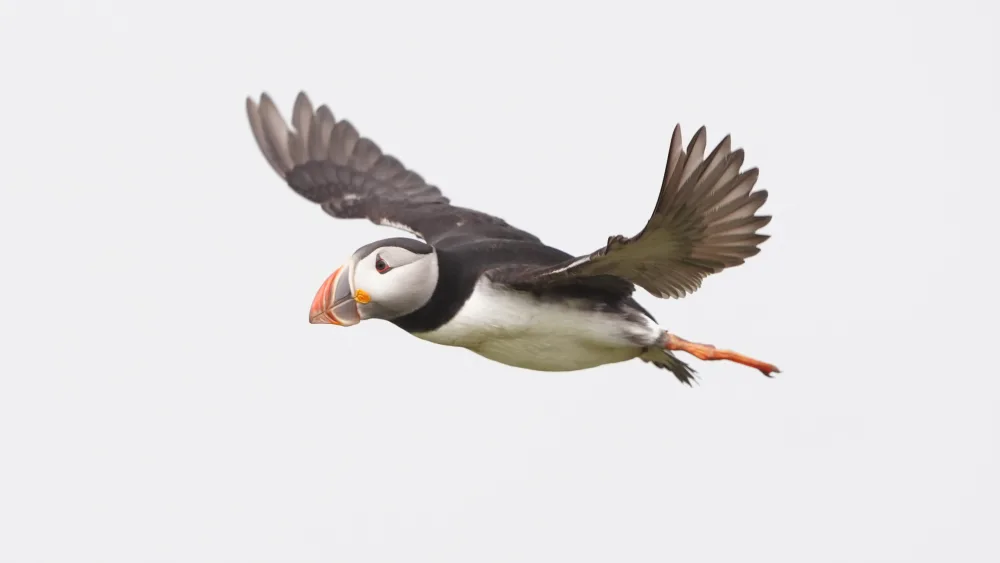
But a Scottish Government report has estimated the wind farm could result in the deaths of thousands of seabirds in its first year of operation, with gannets, guillemots, kittiwakes, puffins and razorbills amongst the species affected.
The polling, carried out by the Diffley Partnership and involving 1,175 people, found more than three-quarters (76%) agree offshore wind farms should only be built in places where they will not harm nature.
A majority (57%) said they are concerned about the impact of offshore wind farms on protected species, such as puffins.
Almost four out of five people (79%) said they would be more likely to support offshore wind if developments were located away from important wildlife sites.
The polling further found 86% want developers to be required to fund measures to protect species if their projects result in deaths in the seabird population.
Aedan Smith, head of policy and advocacy for RSPB Scotland, said: “These results show people across Scotland support renewable energy, but not at the expense of our most important wildlife.
“People recognise the need for urgent action on climate change, but they also expect offshore wind developments to avoid harming already vulnerable seabird populations and other marine wildlife as much as possible.
Berwick Bank can play its part in tackling both the climate emergency and the need to protect Scotland's internationally important seabirds
“We’re currently witnessing a rapid expansion of offshore wind in Scotland, with seabirds paying the price and nowhere near enough investment to ensure their protection and recovery.”
Mr Smith said Scotland should “lead the way in tackling the climate and nature emergency together”, saying this “means developing offshore wind in the right places, reducing impacts on wildlife, and providing significant compensation for any unavoidable harm”.
He continued: “This polling shows there’s widespread support for a balanced approach, delivering renewable energy while protecting the wildlife that helps make Scotland so special.”
A spokesperson for SSE said the Berwick Bank plans had been “shaped by more than a decade of environmental research, assessment and design refinement to avoid and reduce impacts on seabirds”.
They added: “This has included reducing the size of the Berwick Bank array site by nearly 30% and increasing turbine clearance for birds in flight.
“Climate change remains the single biggest driver of negative change in seabird populations in UK and Scottish waters, and in the coming months we’ll submit further refined seabird compensation measures to the Scottish Government as part of our ongoing commitment to support seabird populations.
“Together, these measures will help ensure Berwick Bank can play its part in tackling both the climate emergency and the need to protect Scotland’s internationally important seabirds.”
A Scottish Government spokesperson said: “The Scottish Government is determined to maximise the economic opportunities of the energy transition for people and businesses, while delivering benefits for nature and wildlife wherever possible.
“Berwick Bank represents a huge opportunity to secure multibillion-pound investment in the local supply chain. We recognise that the area is highly important for wildlife, which is why the wind farm is subject to SSE Renewables producing a detailed seabird compensation plan, for approval by Scottish ministers, before any construction or operational activity can begin.”