

The Scottish Government has been challenged to set out how much plans to cut classroom time for teachers will cost – and how the policy will be funded.
MSPs on Holyrood’s Education Committee want details of how it will be paid for to be included in next month’s Scottish budget.
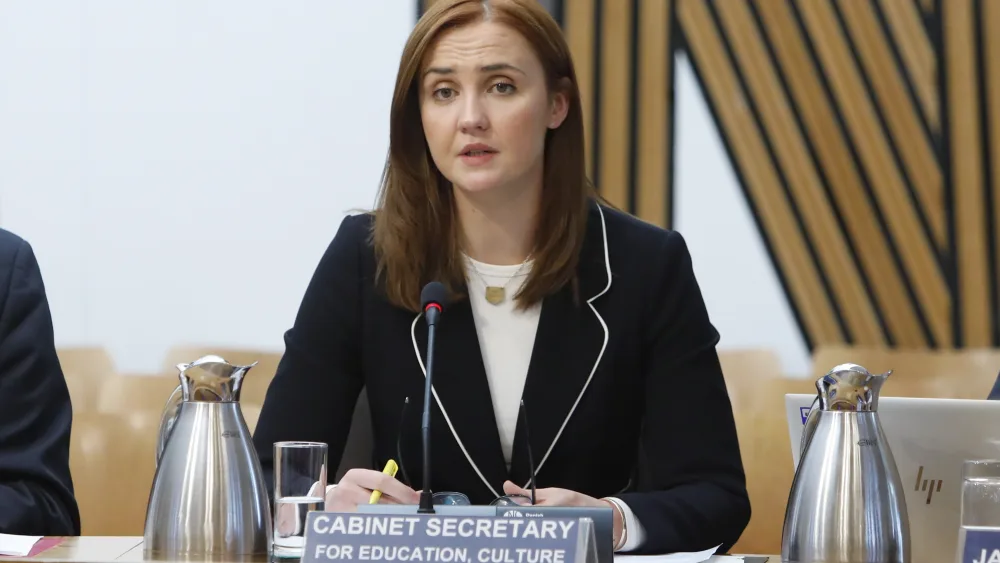
They issued the demand after Education Secretary Mairi McAllan earlier told them that estimates from the local government body Cosla that the change could cost some £250 million to £310 million a year were “not accurate and, frankly, not affordable”.
But with Ms McAllan saying the government was “still doing the work” on how much the change would cost, the committee has said full details of this should be included in the budget “including how they will be funded”.
This was one of the key recommendations in the committee’s pre-budget report.
It comes in the wake of a deal struck between the Scottish Government, local councils and teaching unions to reduce the amount of time teachers spend in classrooms by 1.5 hours a week.
This is due to come into force from August 2027 for primary school teachers, before being brought in for secondary school teachers in August 2029.
However, MSPs on the committee also raised concerns about “whether the timescales are deliverable” in terms of recruiting the new teachers needed and the “challenging fiscal outlook”.
That comes as they noted indicative budgets for education were “relatively flat” and that Scottish Government cash for day-to-day spending is expected to fall by 1.2% in real terms in 2027-28.
This suggests funding for new policies in 2027-28, including the reduction in class contact time, “will need to be funded from existing budgets”.
The agreement to cut classroom time came after a dispute between the teachers’ unions and the Scottish Government and Cosla.
Teachers had voted to strike in a bid to force through the cut in the time they spend with students, but a deal was reached in March this year, with the action called off.
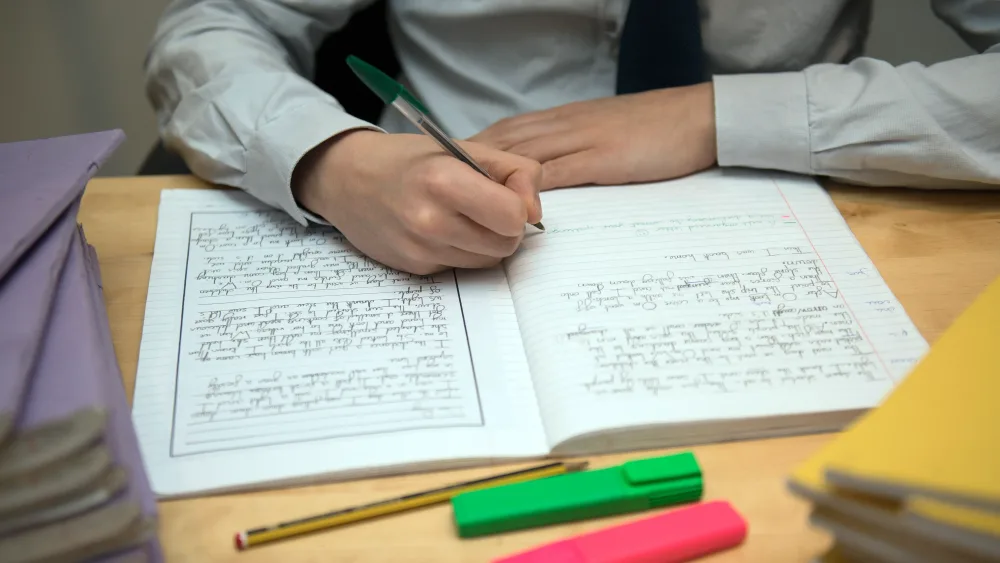
Full-time teachers in Scotland currently work 35 hours a week, with up to 22.5 hours of this allocated for classroom teaching.
However, the EIS teaching union told the committee its research showed that “on average, teachers work the equivalent of a day and a half per week over and above their 35 contracted hours”, with much of this extra work spent doing preparation for classes “because there simply is not enough time in the working week for teachers to do all that”.
Labour MSP Katherine Sangster said: “When the Cabinet Secretary came to committee, she couldn’t say how much it will cost to reduce class contact time.
“The government must put in place the workforce planning and recruitment needed to make it a reality, in a way that genuinely prioritises children and young people.”
She added: “There is no clear plan from the government on how extra class-free time should be best used to improve staff workloads, and increase our quality of education.”
A Scottish Government spokesperson said: “Reduced class contact time is a joint agreement between the Scottish Government, Cosla and teaching unions including the EIS.
“Councils, as the legal education authority and employers of teachers, must assess what is required in their locality to fulfil the commitment.
“Scottish Government has provided £7.5 million to councils this year to produce implementation plans and are working with Cosla on joint modelling.
“We are committed to keeping the Promise by 2030 with substantial work already completed. The whole family wellbeing fund is a core part of this, investing in transformational support to ensure families get the help they need, where and when they need it.
“By shifting investment towards prevention and early intervention, the programme aims to improve family wellbeing, reduce inequalities, and decrease the number of children entering the care system.”