

The £2 bus fare cap in the greater Glasgow area could cost ScotRail as much as £20 million, MSPs have been told, as passengers jump from train journeys.
The Scottish Government extended the cap to the area covered by the Strathclyde Partnership for Transport, which includes Glasgow, Lanarkshire and Ayrshire, following a successful trial in the Highlands and Islands.
Appearing before Holyrood’s Transport Committee, ScotRail managing director Joanne Maguire said the northern pilot cost the Government-owned operator an estimated £750,000 in lost revenue in one year – about 12%.
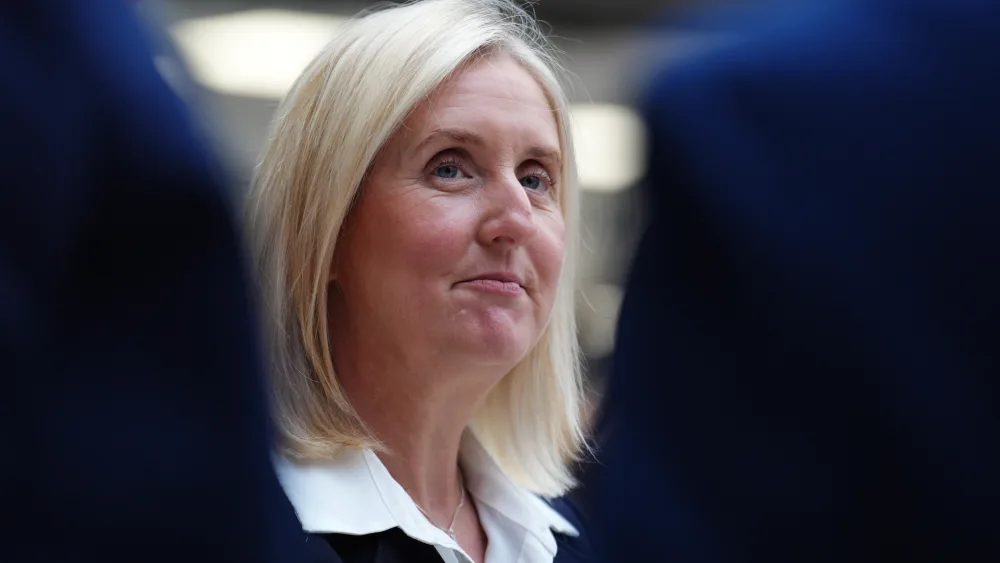
If the same impact was felt in the Strathclyde area, the drop could be as much as £20 million, Ms Maguire said.
“But what we need to focus on is what is within our control,” she said.
“So, pushing the value for money message around peak fares (being) gone for good, kids for a quid and in Strathclyde we are very competitive on journey time, which our commuters will absolutely pay (for).
“They want to stay at home as long as they can in the morning and get back home as quickly as they can.”
Ms Maguire said it was “very early days” in Strathclyde, where the fare cap came into force in early September, but added ScotRail was “not seeing a significant impact” as a result.
“I think it was only a couple of weeks ago that the marketing campaign began in earnest and we know that the bus cap will roll out in Aberdeen from April 1 next year, so we are going to be monitoring closely but it is very early days for us to pass any form of judgment.”
Under questioning from committee convener Willie Rennie, Ms Maguire added that there had not been any discussions had with the Scottish Government about an increase in funding for ScotRail.
“I think for us at ScotRail, our focus is on driving value for money and doing everything we can to drive our passenger journeys up and drive revenue up,” she said.
Scottish Lib Dem MSP David Green said the bus cap is “making a real difference across the far north” but pushed for action to fill any black hole in the ScotRail budget.
“These figures suggest that the SNP’s policy decisions have punched a significant hole in ScotRail’s budget,” he said.
“If the policy were expanded to other areas, that black hole could deepen.
“I’m worried that if these consequences are not properly addressed ScotRail will start to contemplate service cuts. That would be the worst of all worlds for my constituents who rely on already infrequent public transport.”
A spokesman for Transport Scotland said the Government expects “travel patterns to evolve” and will monitor any changes.
“The Scottish Government wants more people to travel by public transport,” the spokesman said.
“The £2 bus fare cap is one of a number of measures supporting households with the cost of living.
“These also include the permanent removal of ScotRail peak rail fares and continuing to provide free bus travel for under-22s, over-60s and disabled people.
“As with any significant change to fares, we expect travel patterns to evolve and we are monitoring impacts across the transport network, including on rail services.
ScotRail faces the prospect of a £20 million revenue hit, and the SNP seem keen on congratulating themselves rather than getting to grips with the details
“The recently published outline business case for the Strathclyde scheme considered potential interactions between bus and rail, and we will continue to monitor the impact of the £2 bus fare cap on patronage, modal shift, affordability, connectivity and wider transport behaviours.”
Scottish Green MSP Patrick Harvie said: “We are really proud of the impact of the £2 bus fare cap secured by the Greens in encouraging people to use buses and keeping money in their pockets.
“We are also very proud of the impact of scrapping peak rail fares, which was also delivered by the Greens and which has led to more people choosing to use rail. Well-funded buses and trains are both key parts of any green and sustainable public transport system.
“The answer cannot be to pit one against the other. We need long-term public funding for both, recognising the vital role they play in tackling air pollution, reducing congestion, connecting communities and tackling transport poverty.
“That means investing in buses and trains together, bringing the whole system into public ownership and control, ensuring that the cost of delivering affordable fares does not simply get shifted from one part of the network to another. Public transport is an essential public service, and it needs funding that reflects that.”
Scottish Conservative transport spokesman Tim Eagle MSP said: “John Swinney is playing transport bingo with taxpayers’ money, shifting passengers between two publicly funded operators and pretending it’s a success.
“ScotRail faces the prospect of a £20 million revenue hit, and the SNP seem keen on congratulating themselves rather than getting to grips with the details.
“The problem is the SNP have no joined-up transport strategy and it’s taxpayers being left to pay.”
Reform UK MSP for Glasgow Thomas Kerr said: “The SNP has scored a spectacular own goal pitting trains against buses and this trademark bureaucratic incompetence only destabilises public transport while the taxpayer foots the bill.
“The government’s £2 bus fare cap has inevitably created a substantial drain in rail revenue which will have to be plugged by the same hardworking people who are struggling with the cost of living and rising fuel prices.
“This is incredulous governing from the SNP, who are losing the public’s confidence on a near-daily basis.
“What more evidence do we need to see the SNP is out of road, out of ideas and out of competent ministers we can trust with public money.”